
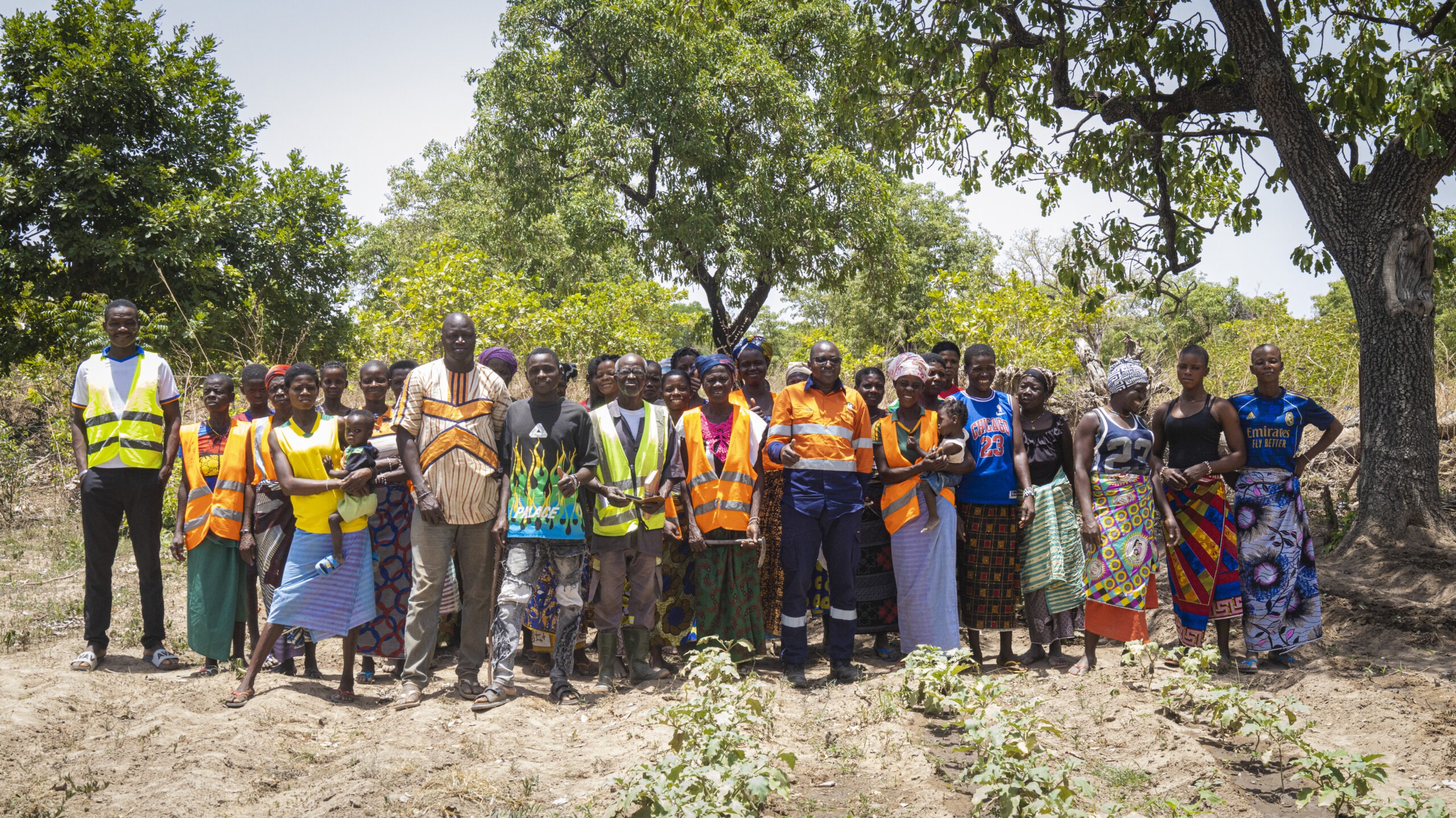
How the women of Holidouo are turning a one-hectare market garden into fresh produce for their tables — and income on their own terms.
Behind every harvest is a decision. For the women of Holidouo, that decision was theirs to make — and what they’ve chosen to grow has changed the way their households work, earn and eat.
As the morning sun rises over Holidouo, the first task of the day isn’t collecting water or preparing breakfast. Instead, a group of women make their way to the edge of the village, where rows of tomatoes, onions and okra stretch across a one-hectare plot. What grows here is more than fresh produce. For many families, it represents a new source of income and a different kind of independence.
Holidouo is one of the Doropo Gold Project’s host villages, home to 39 households – around 273 people. When community members were asked what would make the greatest difference to their lives, the women were clear – they wanted to develop market gardening. Not simply to grow more food, but to strengthen household incomes and improve food security.
Built on solid community foundations
A hydraulic borehole with solar-powered irrigation provides a reliable water supply year-round. Sixteen volunteer households each manage their own plot, with day-to-day oversight sitting with a management committee established by the village women’s group themselves. The infrastructure enables the garden. While the ownership belongs to the women running it.
Building knowledge mattered as much as building infrastructure. Participants received practical training and ongoing technical support from local agricultural entrepreneur Mr. Silué Enenan. His understanding of the local environment helps farmers develop skills that will outlast any single growing season.
From plot to table — and beyond
The first production cycle brought tomatoes, onions, aubergines, okra, chilli peppers, squash and watermelon. Some of that harvest goes straight to family meals, reducing the need to buy produce elsewhere. The surplus creates something that’s even more valuable – a new source of income.
Vegetables are sold locally — including to the restaurant at the Doropo mining camp in Danoa. This creates an elegant and direct link between the project and its neighbouring communities. That connection matters. It means the mine isn’t just operating alongside Holidouo. In a small but real way, the mine is buying from it.
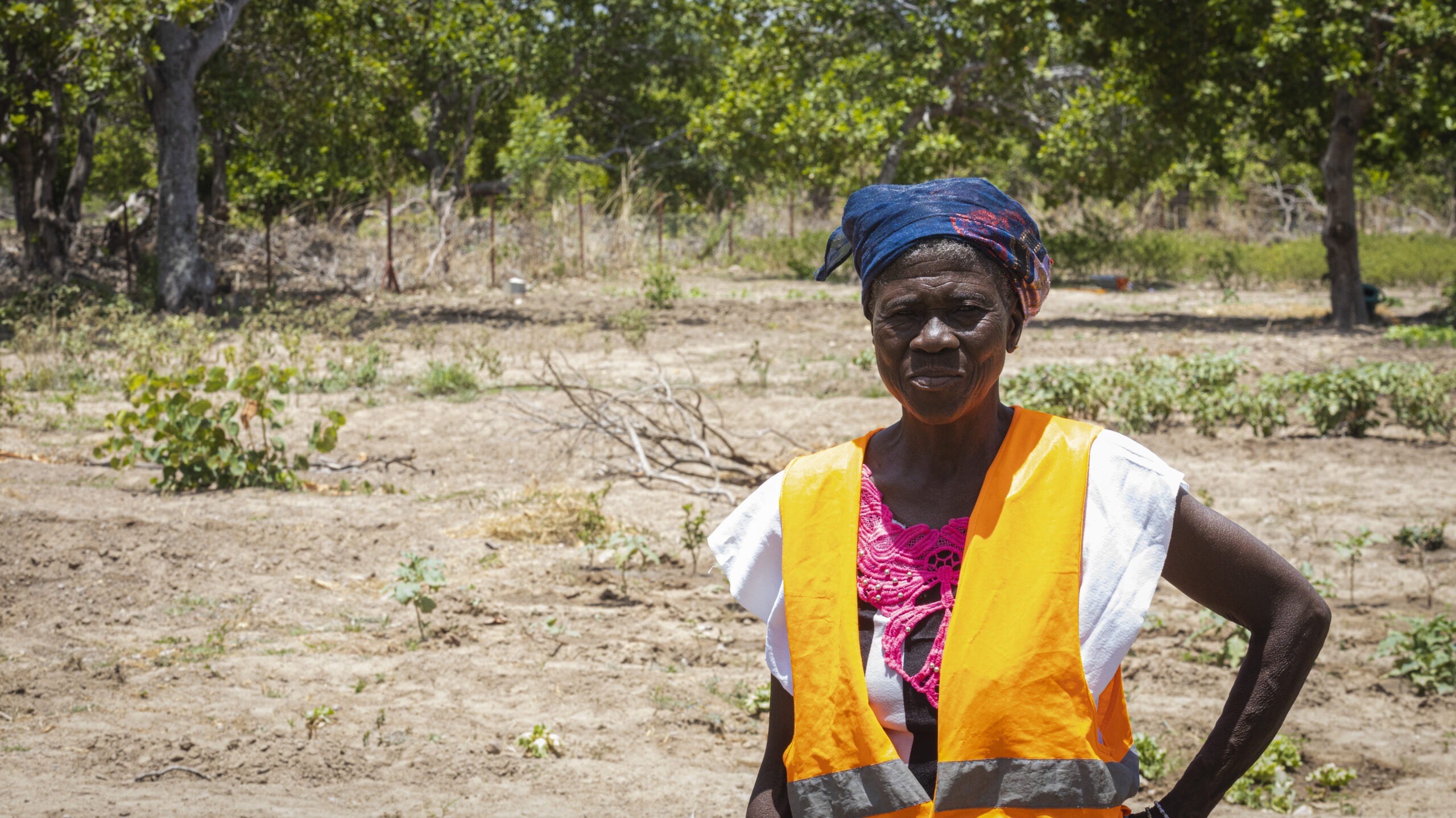
“At last, a project that eases our needs.”
Mrs Dah Pelmienan, President, Holidouo women’s group
When the first harvest changed minds
The project’s success wasn’t always taken for granted. In its early days, there was scepticism within the village about whether the initiative would deliver. But attitudes began to shift when, after the first harvest, families saw fresh vegetables on their tables and an extra income from surplus produce each growing season.”
The village chief, who had initially doubted the project, later offered two hectares of his own neighbouring land to support its expansion. Mrs Dah Pelmienan, the president of the women’s group put it simply “At last, a project that eases our needs.”
What comes next?
A second harvest lies ahead, alongside continued training and technical support. The longer-term ambition is to replicate the initiative across other host villages around the Doropo Gold Project.
For the women of Holidouo, the most important shift isn’t measured in crops or yields. It’s the deepened agricultural, knowledge, practical skills and growing business knowledge that remain long after each harvest ends.
But without question, the greater and more lasting shift is in empowering the women of Holidouo with increased financial education and transforming the role they play in managing their own household finances.
That kind of change doesn’t always arrive with heavy machinery. Sometimes it begins with a shared piece of land, a vision, and a community deciding what it needs for itself.
This is the kind of community-driven growth at the heart of the Doropo project and of Holidouo itself. As the initiative expands to neighbouring villages, even more women stand to gain the same harvest of opportunity – fresh produce, new income, and greater financial independence of their own making.